Manjamanja

Species spotlight

Parrots & birds

Loud, clever, and decades-long companions. Know the legal list before you buy.

Parrots can live as long as the humans who keep them — and the legal-pet list differs across Singapore, Malaysia, and Indonesia. This hub covers what is allowed where, enrichment for cage-life in the tropics, and the social bond a parrot needs to stay sane.

Articles about Parrots & birds

Nutrition

Feeding Pellets vs Seeds to Parrots in High-Humidity Homes: Preventing Mould and Nutrient Deficiencies

Seed-only diets lead to fatal fatty liver disease in companion birds, but damp tropical air quickly turns open pellet tubs into toxic mould traps. Here is how to transition your bird safely while storing balance-formulated feed against tropical dampness.

Nutrition

Feeding Tempeh to Backyard Chickens and Pet Birds: Fermentation and Safety
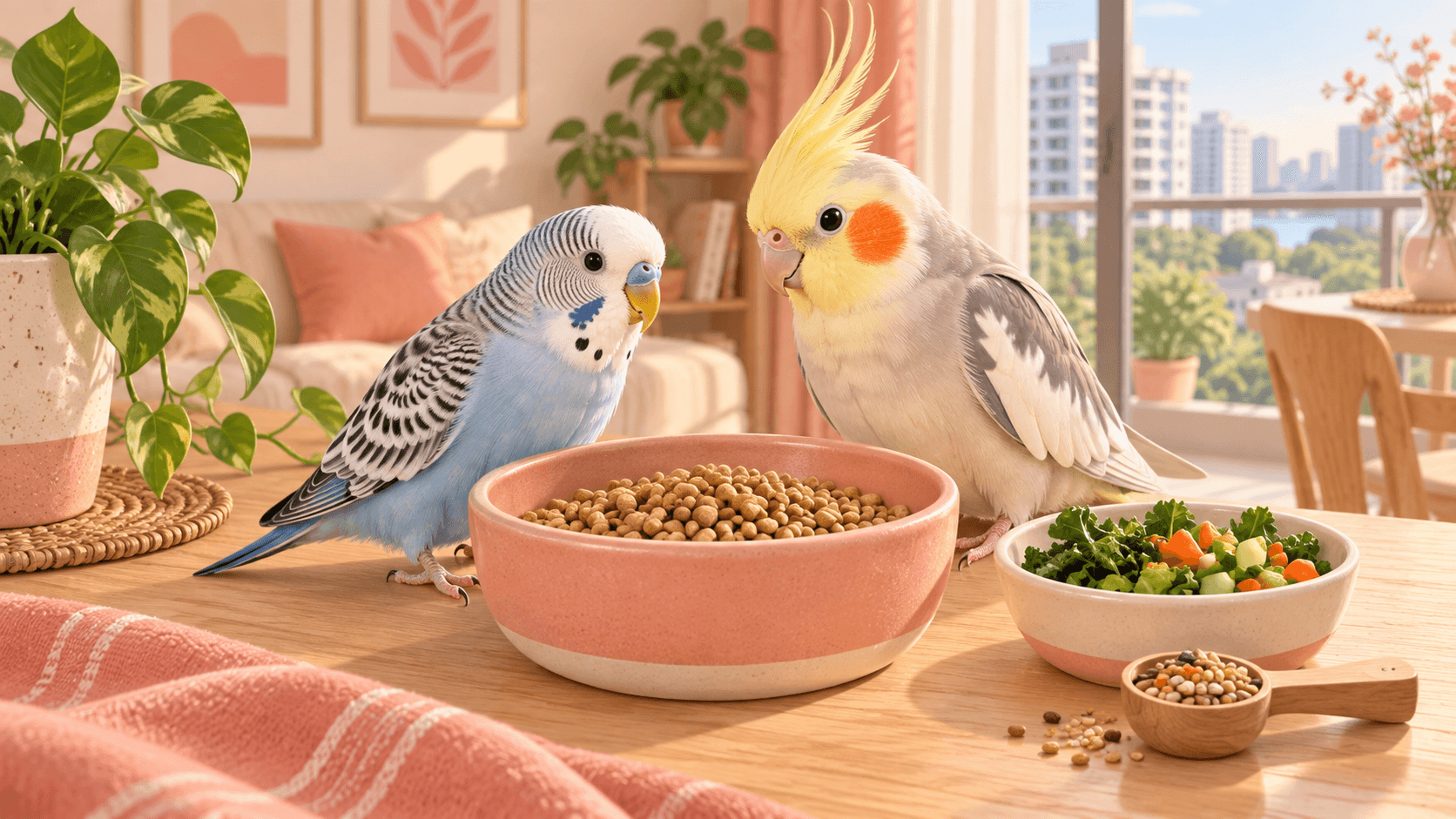
While raw soybeans contain harmful trypsin inhibitors, traditional fermented Indonesian tempeh is a highly digestible, protein-rich treat for birds. Learn how to prepare, portion, and store tempeh safely without risking tropical food spoilage.

Feeding Small Parrots Pellets, Seeds, and Fresh Food Without Guessing
Nutrition

Feeding Small Parrots Pellets, Seeds, and Fresh Food Without Guessing

A practical nutrition guide for owners who want to improve a bird’s diet without sudden food refusal, spoiled fresh food, or unsafe human-food habits. It keeps the focus on gradual changes, freshness, and observation rather than product hype.

Nutrition

Bird Chop in Humid Kitchens: Keeping Fresh Veggie Mixes Safe from Spoilage
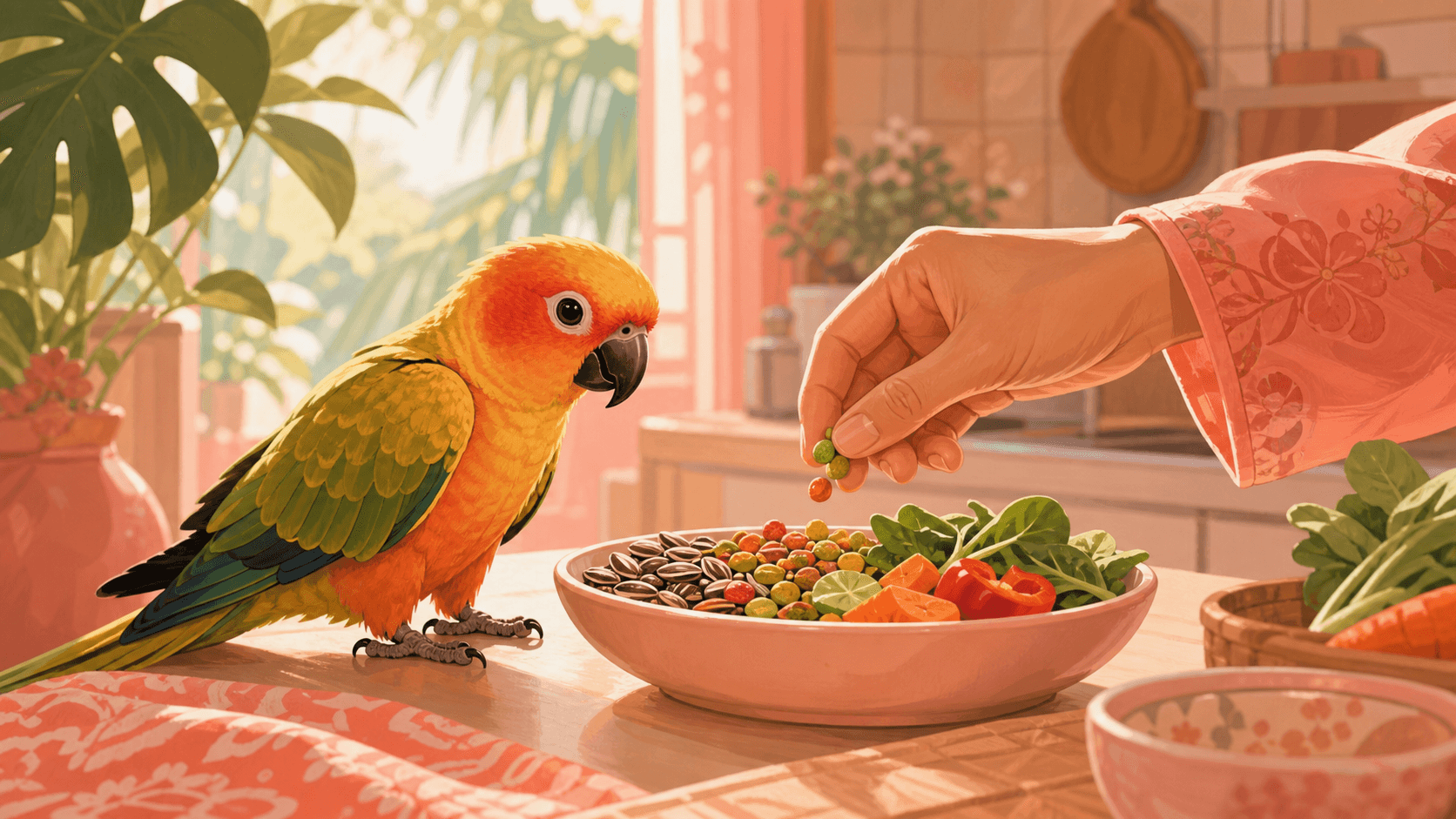
Preparing fresh vegetable mixes for your parrot is highly nutritious, but tropical humidity can turn a healthy bowl rancid within hours. This guide offers a practical, waste-free system for preparing, portioning, and clearing bird chop before mold and bacteria take over.

Parrot Seed Diets: Transitioning Without Turning Food Into a Fight
Nutrition

Parrot Seed Diets: Transitioning Without Turning Food Into a Fight

A bird nutrition guide on seed-heavy diets, gradual transitions, pellets, safe produce, monitoring weight and droppings, and avian-vet support.