Manjamanja
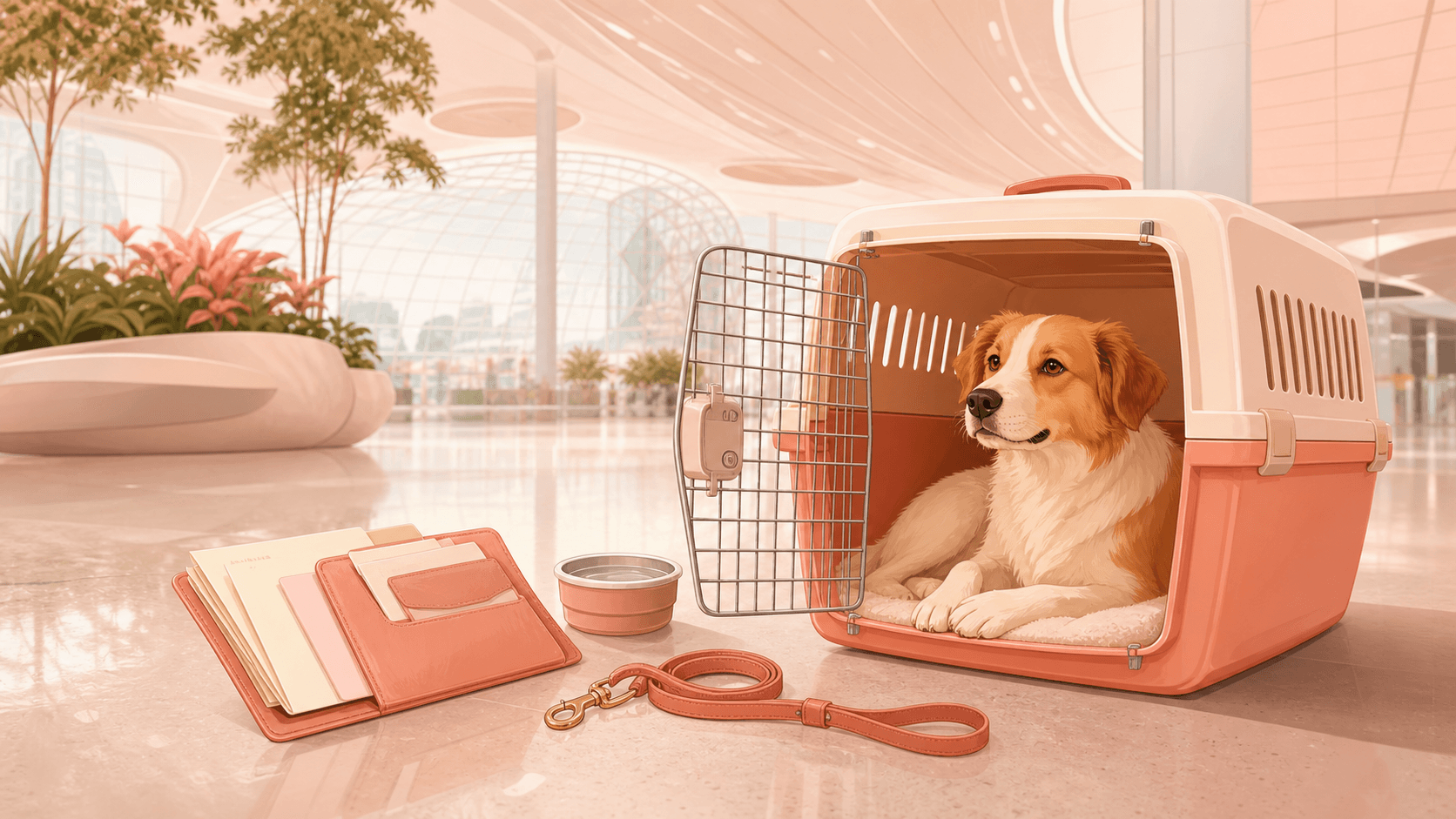
A calm dog waits in a travel crate beside documents and a water bowl at a softly lit Singapore arrival setting.
生活方式

Bringing a dog or cat into Singapore in 2026: what changed at CAPQ

阅读 5 分钟发布于 2026年6月5日作者:Manja,编辑:Ms Ella Moh

Before your dog gets a flight number, check the Singapore paperwork path. The boring bit is the kind bit: pick the arrival date only after AVS, CAPQ, and the airline all agree with the plan.

Before You Book The Flight

Start with the dog’s export country or region. Singapore’s AVS import conditions change by country or region, including rabies-risk category, veterinary conditions, and whether quarantine is required. Do not book first and try to wrestle the paperwork into the dates later.

Check the CAPQ arrival inspection requirement before you pay for the ticket. An import approval is not the same thing as an arrival handoff. Confirm the inspection arrangement, flight details, and a handler who will actually be reachable when the dog lands.

Check airline rules separately from AVS rules. A dog can be fine on Singapore paperwork and still be refused by the carrier because of breed, crate, embargo, route, or manifest requirements. For a Golden Retriever or German Shepherd, ask about crate dimensions and cargo acceptance before you pay. For a brachycephalic dog, ask the airline directly whether that route and crate are accepted. Do not build a plan from someone else’s lucky trip.

The AVS import licence is time-bound, so the flight date has to sit inside the permit window and match the required certificate or treatment dates. Manja is editorial, not your dog’s certifying vet; ask your vet or AVS for case-specific diagnosis or document interpretation.

Before The Vet Signs Anything

Bring the current AVS veterinary conditions to the appointment. Not a saved clinic template. Not a generic pet-travel form. Singapore’s document requirements differ by export country or category, so the certifying vet needs the official instructions for that route.

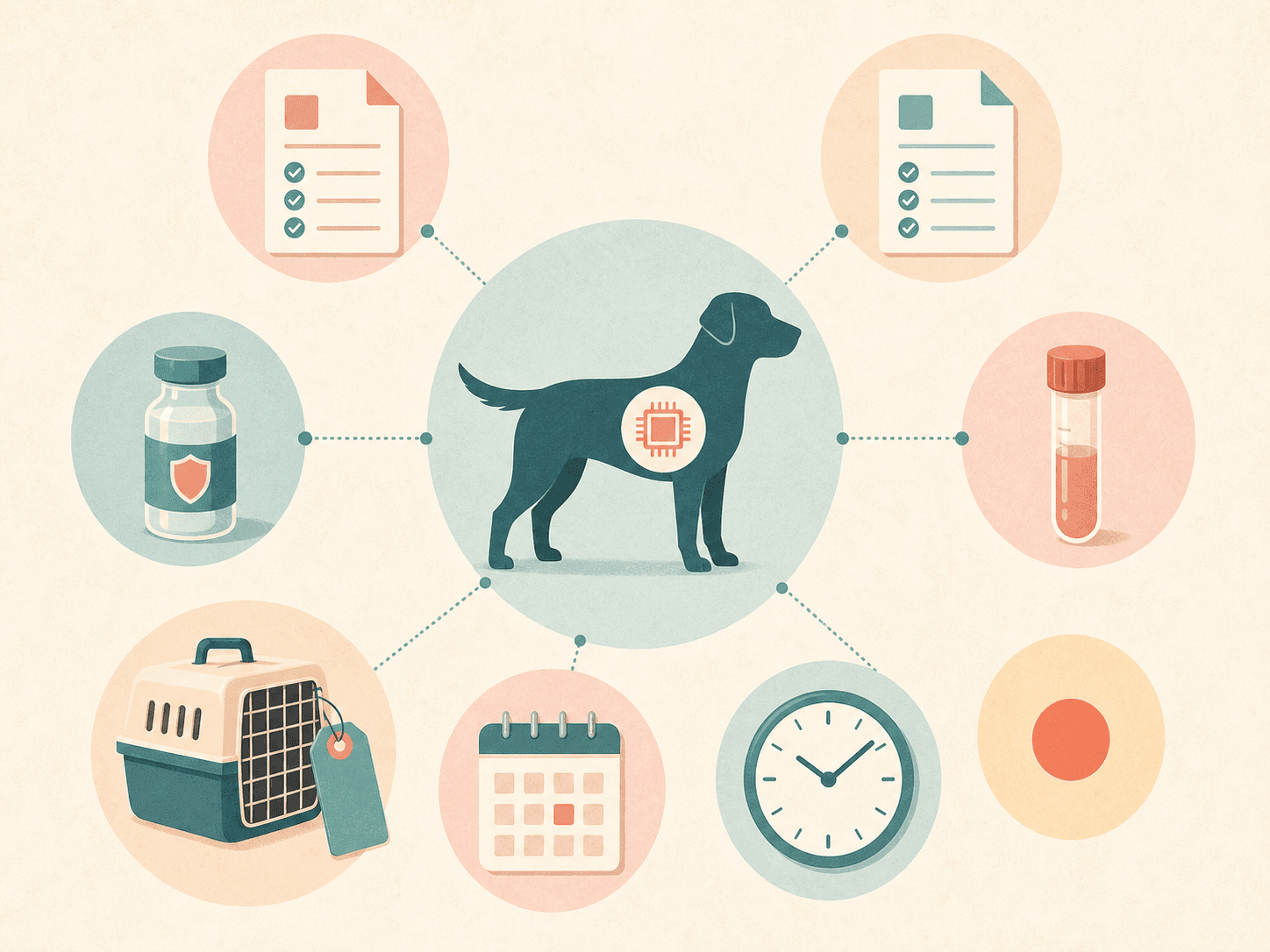
Start with the microchip number. It must match across vaccination records, rabies serology paperwork where required, the health certificate, the import licence, and airline documents. One swapped digit can become a CAPQ delay. Nobody enjoys that, least of all the dog in the crate.

Rabies paperwork needs the same line-by-line treatment. Check the vaccination and, where required, serology timing against the official Singapore conditions for your dog’s origin country. Singapore does not use the same rabies requirements for every route.

Parasite treatment entries should be exact too. Where the rules ask for it, the record should show the product, active ingredient, administration date, and veterinarian endorsement. Vague wording makes the final certificate harder to clear.

Manja is editorial, not your dog’s diagnosing vet. If your dog has a medical history, uncertain vaccine records, a changed microchip, or a complicated route, ask AVS or your vet before anyone signs.

Before You Submit To CAPQ

Do one slow review before anything enters the CAPQ or AVS process. Put the import licence application, veterinary certificate, vaccination records, owner details, flight details, and microchip number side by side. Compare them line by line.

Start with the dog. The name, breed, sex, age, and microchip number should match across the vaccination records, health certificate, import licence, and airline documents. A microchip mismatch is not a cute typo. It is a delay risk at CAPQ.

Check the human details next. The owner or consignee name should match the licence and travel documents. If a relocation agent, family member, or cargo handler is involved, make sure the contact details are current and reachable on arrival day.

Then check the travel details. The flight number, arrival date, import licence validity, and CAPQ inspection booking need to line up. Do not assume the inspection slot is automatic. If quarantine is required, confirm the Animal Quarantine Centre reservation before the dog travels.

Finally, open every scan. Vaccination records, lab reports, and certificates should be readable before submission. Manja is editorial, not your dog’s certifying vet, so ask your vet or AVS when a document detail does not clearly fit the official requirements.

Arrival-Day Mistakes To Avoid

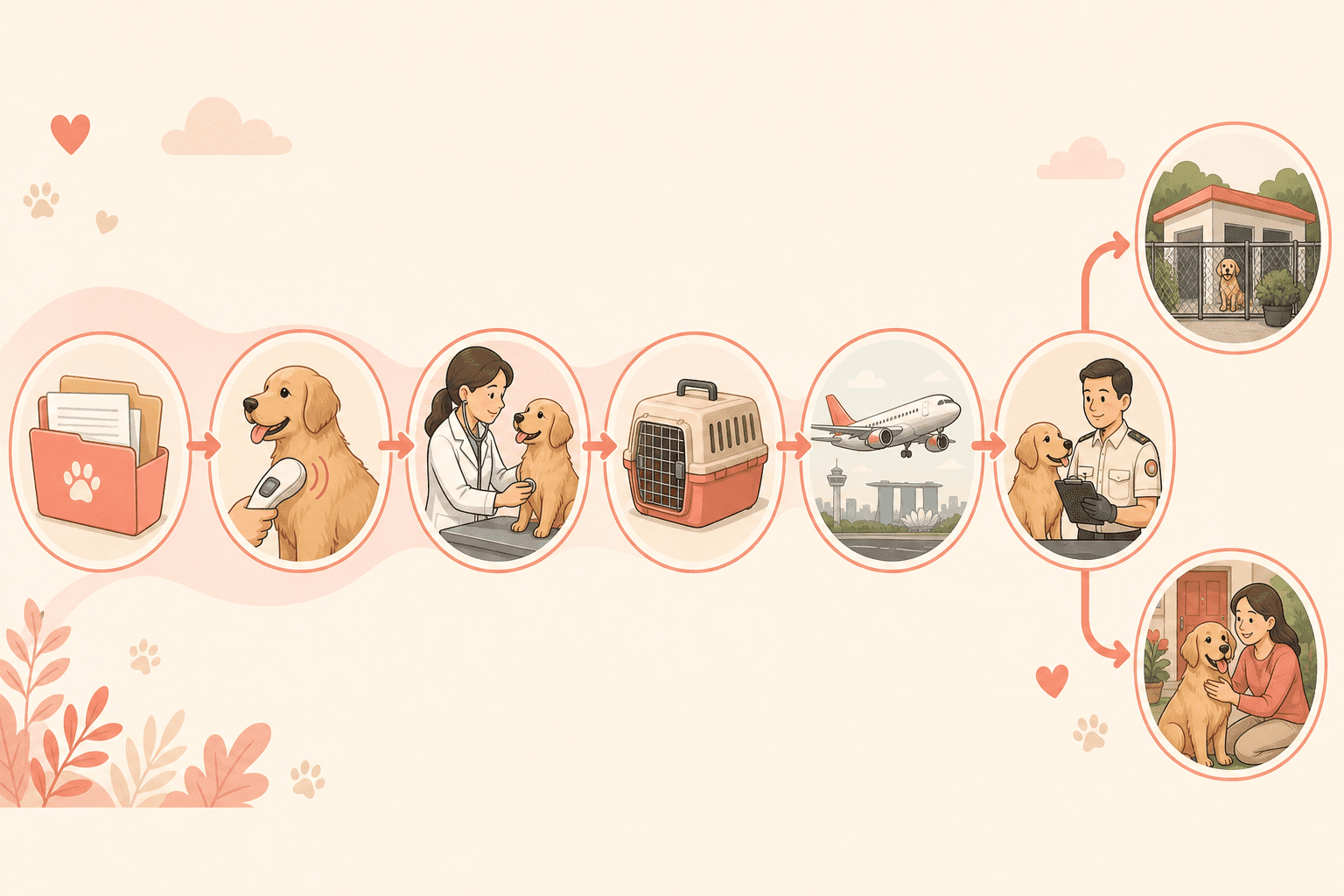
Do not picture your dog rolling out beside the suitcases at passenger baggage claim. On arrival day, a dog may move from the airline or cargo handler into official inspection and clearance channels. Think cargo-plus-CAPQ, not a “meet me at the carousel” reunion.

Give the handler the boring things before anyone has to chase you: airway bill, AVS import licence, health certificate, flight details, and a reachable phone number. Keep printed and digital copies. A correct health certificate can still sit in the wrong queue if the import permit or cargo documents are missing.

Singapore Customs clearance is separate from AVS inspection. CAPQ checks the animal side. Customs handles import clearance. Both matter before release can happen. That is why the arrival folder should be one folder, not six screenshots buried in a chat.

Leave slack after landing at Changi. Airline handling, Customs clearance, and CAPQ inspection are not the same step. Manja is editorial, so for a dog with a medical concern or unclear travel status, ask your vet and AVS before travel day, not from the airport kerb.

Red Flags That Need A Human Check

Pause when the checklist stops matching your dog’s real life. Old AVS pages, forum answers, and relocation-agent notes can point in different directions. For 2026 CAPQ steps, use the latest AVS page as the anchor, because operational instructions, forms, appointment channels, and station procedures can change faster than evergreen pet-travel advice.

A recently adopted dog with incomplete medical records needs extra attention. Ask AVS before you proceed if the vaccination history is uncertain, the microchip has changed, there was a recent rabies booster, or the route involves multiple countries. Those details can affect eligibility and how the documents are read. Manja is editorial, so for an individual diagnosis or document judgement, ask your vet and the official AVS channel.

Treat the microchip number like the dog’s passport number. It should match across vaccination records, rabies serology paperwork where required, the health certificate, import licence, and airline documents. If a vaccination certificate was issued before the microchip record is clear, do not guess. Get a human to check the sequence before submission.

A last-minute flight change is not just an airline problem. AVS requires arrival inspection arrangements, and the final checklist should confirm the CAPQ booking, flight details, and contactability before the dog travels.

Tonight, open every document and compare the microchip number, owner name, flight details, and CAPQ arrangement line by line before making the next booking change.

— Manja

分享WhatsAppTelegram