
A parrot can make a lot of mess without anything being wrong. Seed husks on the floor, shredded cardboard, one suspicious chilli flung behind the cage. Damaged feathers are different. They are evidence that something in the bird, room, routine, or flock setup needs a closer look.
For owners in Singapore, Malaysia, and Indonesia, the answer is rarely as simple as "bored" or "humid weather." Bowl-feeding can leave a clever bird with too little work. Late-night TV, corridor noise, renovation drilling, or a cage placed beside a busy kitchen can disturb rest. Damp, dirty, moldy, or poorly ventilated housing can worsen skin or respiratory health. But feather damage can also sit beside skin disease, parasites, infection, pain, systemic illness, nutritional imbalance, toxin exposure, or psittacine beak and feather disease.
Use this guide to organise what you are seeing before an avian vet visit. Do not use it to diagnose your parrot at home.
Read the feather pattern first
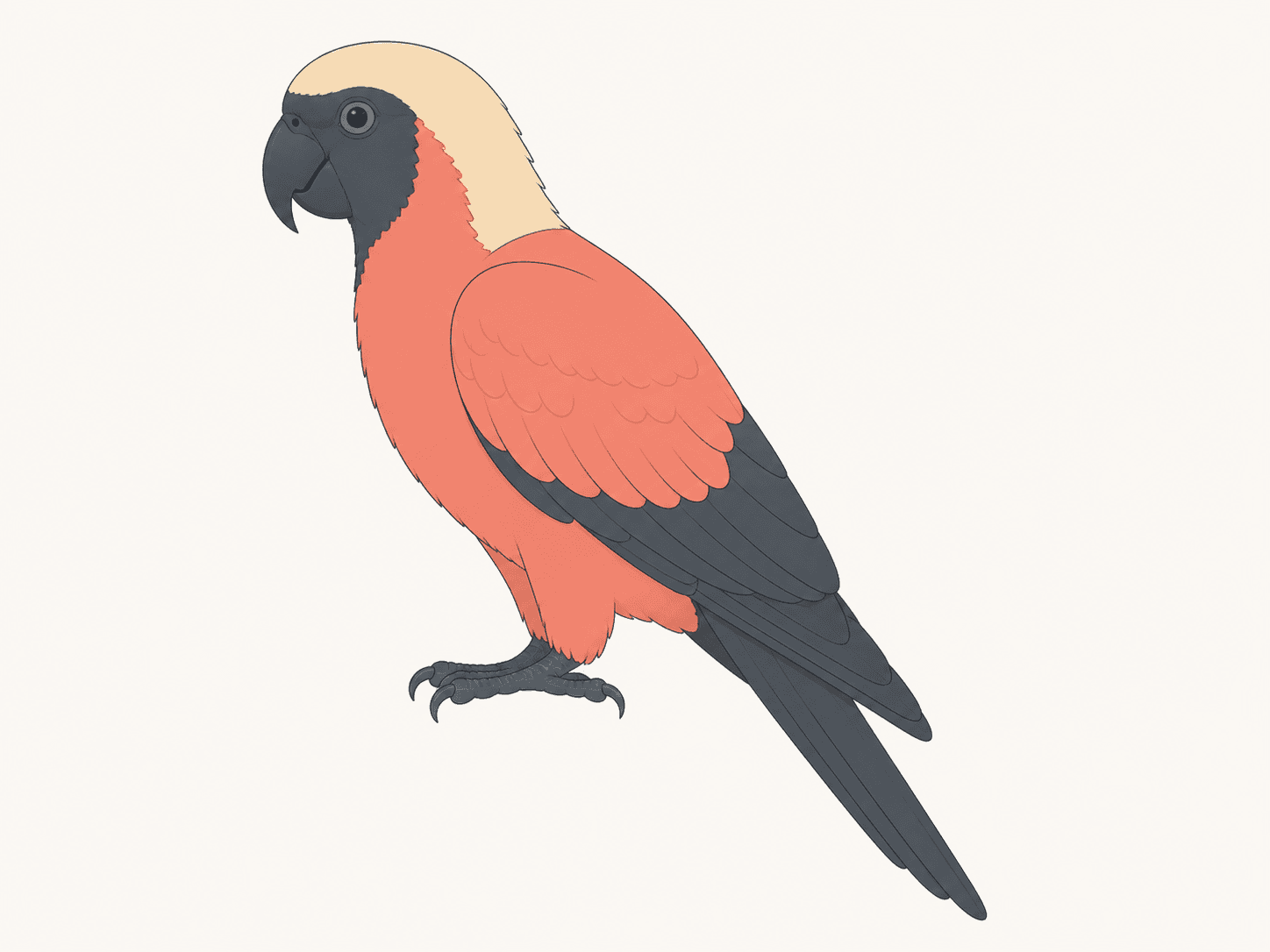
Start with location. A parrot can reach the chest, wings, legs, and many body feathers. It usually cannot reach its own head feathers. If the head is affected too, think beyond self-plucking: cage-mate damage, an external cause, molt problems, infection, or systemic illness all need consideration.
Look for the type of damage as well. Broken, chewed, barbered, or missing body feathers may fit feather destructive behavior, but that label should come after a medical and husbandry check, not before. Abnormal feather growth or stress bars can reflect illness, nutrition problems, trauma, or stress during feather development. They are clues, not a diagnosis.
Beak changes with feather loss need particular caution because psittacine beak and feather disease is one possible concern and needs avian veterinary testing. Weakness, gut signs, neurologic signs, or a suddenly unwell bird also change the urgency; heavy metal exposure is one serious possibility, but only veterinary testing can link it to the episode.
Check what changed around the bird
Write down the boring details. They are often the useful ones.
Has the cage moved closer to a window, kitchen, air-con draft, lift lobby noise, or another pet? Did the bird start sleeping with more light in the room? Did a new helper, baby, visitor, foster animal, or second bird change the daily rhythm? Has there been construction nearby, haze, pest control, new cookware, scented products, cigarette smoke, paint, glue, or metal toys with unknown parts?
Diet matters too. Note the current food mix, favourite pick-outs, fresh food offered, supplements, and any recent diet change. Do not try to correct possible nutrition problems with random supplements before the vet visit; too much of the wrong thing can create a new problem.
Enrichment is still part of the picture. A parrot that gets food only in a bowl may have very little to solve all day. Foraging, shredding, training, bathing opportunities, safe chew materials, and predictable quiet sleep can all support welfare. They do not replace a medical work-up when feather damage is new, spreading, severe, or paired with illness signs.
Call an avian vet for these signs
Call an avian vet when feather damage looks new, spreads, involves the skin, or comes with any sign your parrot may be unwell.
Treat active bleeding from a blood feather, skin wound, or self-mutilation as urgent. Birds have limited blood volume and can deteriorate quickly. Respiratory distress, weakness, severe trauma, neurologic signs, gastrointestinal signs, or sudden collapse also need prompt veterinary attention.
Head feather damage deserves extra caution. A parrot usually cannot pluck its own head feathers, so head involvement may point to an external cause, cage-mate damage, molt abnormality, infectious disease, or systemic illness.
Bring the vet evidence, not a theory
Before the appointment, take clear photos of the affected feathers and skin in daylight if possible. Add one short note with:
- when you first noticed the damage
- whether it is spreading
- which body areas are affected
- diet and recent diet changes
- cage placement and sleep routine
- household noise, renovation, fumes, smoke, or scented products
- enrichment and time out of cage
- recent cleaning products or possible toxin exposure
- whether another bird could be involved
If there is active bleeding, weakness, breathing trouble, collapse, severe trauma, neurologic signs, gastrointestinal signs, or self-mutilation, do not wait to make a tidy note. Call the avian vet now.
For a stable bird, your practical next step is simple: photograph the feathers today, list the changes from the past week, and book an avian vet visit if the damage is new, spreading, involves the head or skin, or comes with any red flag.
— Manja