
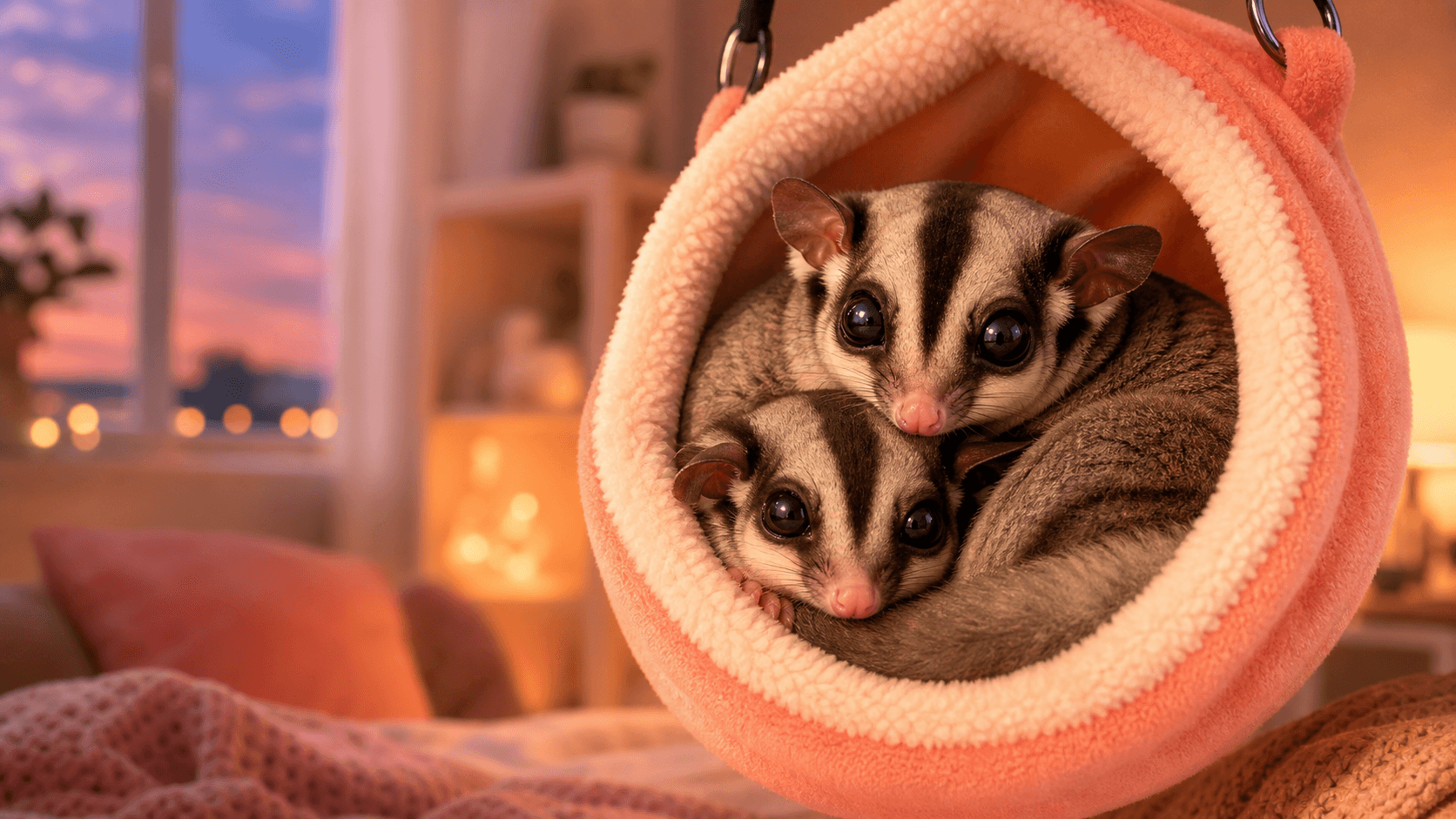
A sugar glider can look like a pocket-sized pet until you plan the actual week around one: night noise, specialist feeding, legal checks, social housing, and an exotic vet you can reach when something is wrong.
For Singapore and Malaysia owners, the first step is not finding a seller. It is proving that ownership is legal where you live, then checking whether the animal's daily care is realistic in your home.
In Singapore, sugar gliders are not allowed as pets. They are prohibited exotic pets, not approved companion animals. In Malaysia, ownership may involve wildlife-law compliance and PERHILITAN licensing or permit requirements, so buyers need to confirm current federal and state requirements before purchase.
This guide is for pre-purchase welfare planning and an exotic-vet conversation, not for diagnosing or managing health problems at home. Manja has no affiliate links, sponsorships, seller or breeder relationships, paid placements, or product recommendations in this guide.
Start With The Legal Answer
If you live in Singapore, do not buy a sugar glider as a pet. The answer is already clear.
If you live in Malaysia, do not rely on a seller's reassurance, a social-media post, or someone else's old permit story. Check the current wildlife-law and PERHILITAN requirements before purchase, including any state-level requirements that may apply.
That sounds dry, but it matters. A pet that cannot be legally kept is at risk before food, housing, or bonding even begins.
The Night Routine Has To Fit Your Home
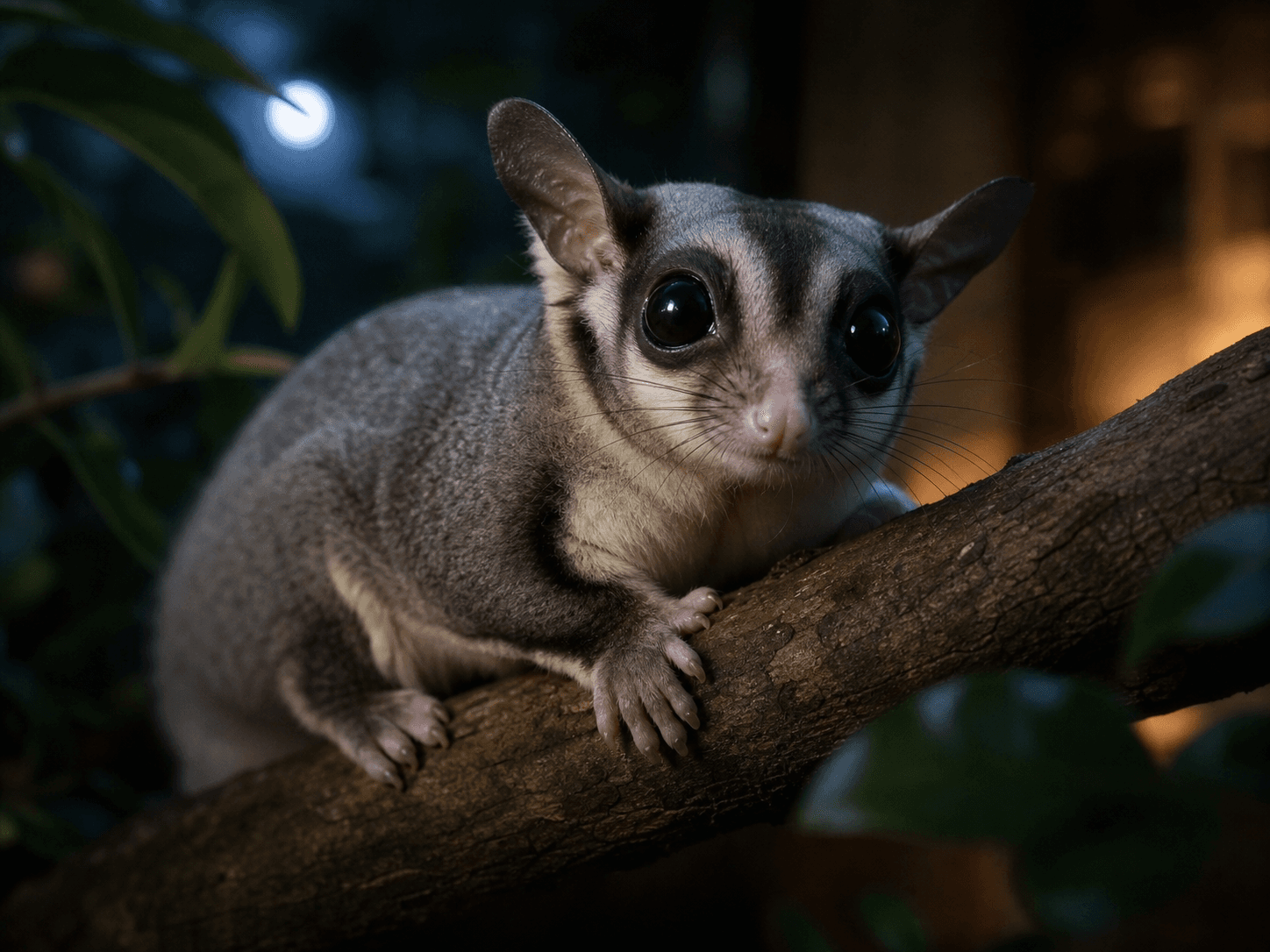
Sugar gliders are nocturnal. Their busy hours are when many households are trying to sleep, especially in HDB flats, condos, and smaller apartments where sound carries through bedrooms, corridors, and shared walls.
Before buying, ask yourself the unglamorous questions:
- Where would the enclosure sit if the animal is active at night?
- Who will handle evening and night care without rushing it?
- Can the household tolerate movement, vocalising, cleaning, and feeding after dark?
- What happens during travel, school holidays, Chinese New Year, Hari Raya, Deepavali, or long weekends if boarding options are limited?
If the answer depends on keeping the animal quiet, alone, or ignored through its active hours, the setup is already wrong.
Social Housing Is Not Optional Planning
Sugar gliders are social exotic animals. Single housing can create welfare problems; compatible paired or group housing is generally recommended when it can be safely managed.
That does not mean casually putting two animals together and hoping they get along. Compatibility, sex, age, introductions, enclosure space, conflict, breeding risk, and veterinary history all matter. A rescue handover, breeder paperwork, or adoption-trial record should be read carefully before you commit.
If you cannot plan safe social housing, you are not ready to buy.
Diet Is The Hard Part
A sugar glider diet is not a fruit bowl with a few cute extras. Fruit-only, seed, table-scrap, generic pellet, and casual "whatever is cute" feeding plans are not suitable sole diets.
The diet needs ingredient-level review, not product promises. In humid Singapore and Malaysia kitchens, even basic storage habits matter: fresh produce spoils quickly, insects or prepared foods may need careful handling, and supplements should not become guesswork on a shelf.
Contact a vet now if the diet advice you receive depends on seed mixes, fruit-only feeding, table scraps, generic pellets as the main diet, calcium powder, vitamin D, supplements, therapeutic diets, or claims about preventing or treating disease.
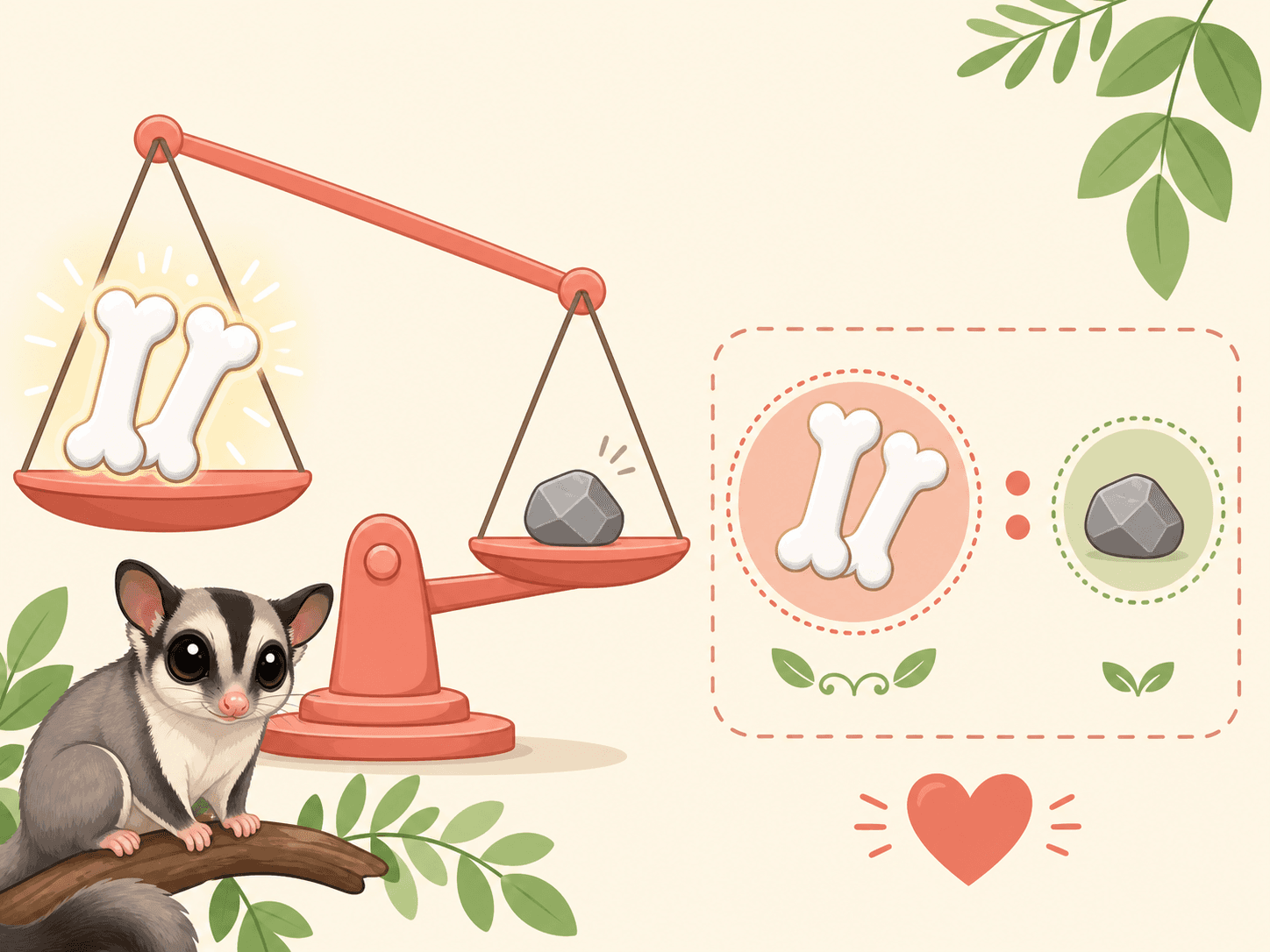
Captive sugar glider diets are difficult to balance. Poor calcium, phosphorus, vitamin D, or mineral balance can be linked with nutritional osteodystrophy or metabolic bone disease, but that is a veterinary review issue, not something to assess or manage at home.
Vet Access Comes Before Purchase
Talk to an exotic veterinarian before you buy, not after the first problem. Pre-purchase advice should cover legal status, diet planning, social housing, nighttime activity, and whether you can actually access exotic-vet care.
Do not buy for homes with animals already fragile, medically complex, or immune-compromised without veterinary input first. Be extra cautious with young, senior, pregnant, chronically ill, or immune-compromised animals.
If a sugar glider seems unwell, the answer is simple: talk to your vet. Do not try to solve appetite changes, weakness, injury, abnormal movement, or suspected nutrition problems with home diagnosis, online recipes, or supplements.
Bring These Three Answers To The Vet
Before money changes hands, write down:
- The legal status where you live.
- The exotic vet or clinic you would contact.
- The complete diet plan you want that vet to review.
If any one of those answers is missing, pause the purchase.
— Manja