

The night before surgery, the most useful thing in the house is not a special supplement or a lucky blanket. It is one boring note that everyone follows.
Write down the clinic's instructions in one place: food cutoff, water instructions, medication timing, arrival time, transport plan, payment or consent details, and the exact step if your pet eats by mistake. Put it on the fridge, by the door, or in the family chat. Surgery morning is a bad time for three people to remember three different versions of fasting.
Use this as surgery-prep guidance, not a substitute for your admitting vet's instructions. Fasting, water, and medication plans can change with age, disease, procedure, and anaesthetic protocol.
Confirm the plan, not the rumour
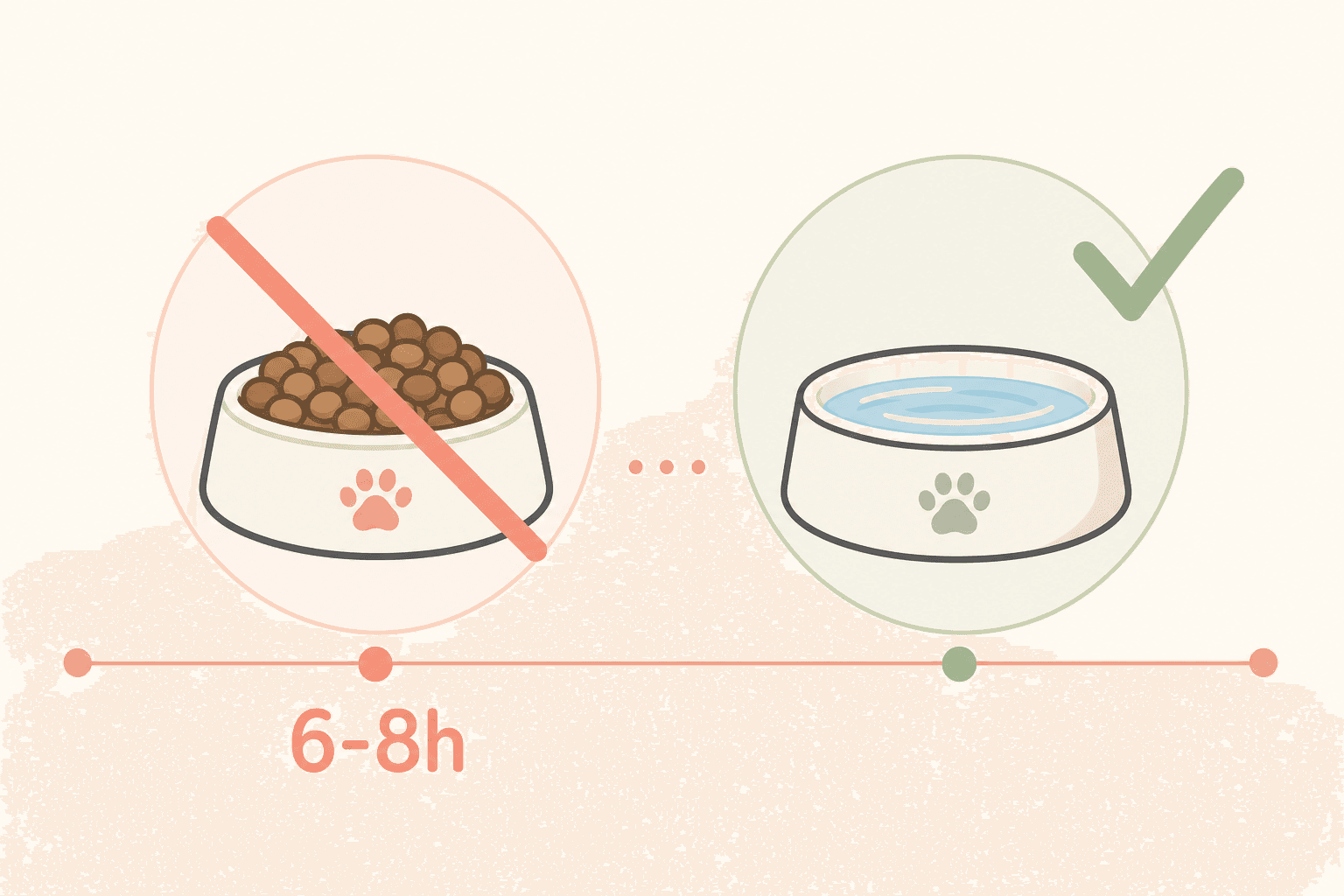
Start with the clinic's written plan. A forwarded fasting tip from another owner is not specific enough for your dog or cat.
Healthy adult dogs and cats are often fasted from food for a limited period before anaesthesia, but the clinic may handle water separately. Follow the admitting clinic's wording, not the loudest group chat.
Medication needs the same discipline. Do not stop insulin, heart medication, seizure medication, steroids, pain medicines, or supplements unless the vet tells you to. Some medicines continue. Some change. Some pause. Guessing is how a routine Tuesday becomes expensive.
Pre-anaesthetic examination and bloodwork are not admin garnish. They can flag anaemia, dehydration, organ dysfunction, electrolyte abnormalities, or another disease that changes the anaesthetic plan.
Make transport part of surgery prep
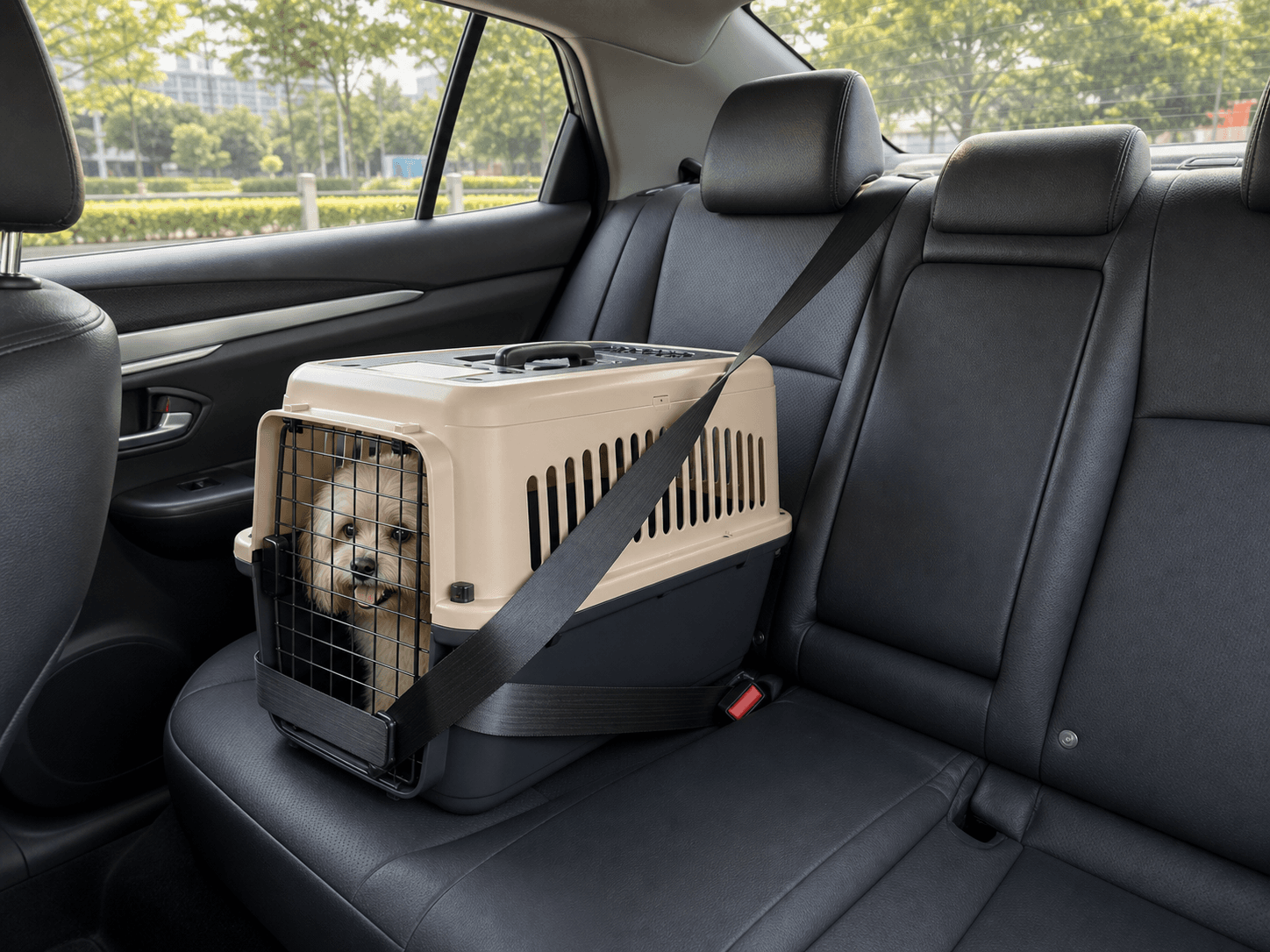
If you use taxis, ride-hailing, or private hire cars in Singapore, Malaysia, or Indonesia, plan containment before the morning rush. Dogs should be in a harness or crate. Cats should be in a closed carrier, never loose in the car.
For cats, leave the familiar carrier out early if you can, and keep handling quiet. A cat bolting around a lift lobby or condo corridor is not a small delay when the clinic is waiting to admit them.
Do not leave pets waiting in parked cars or hot outdoor areas before admission. In tropical heat, even a short wait near a sunny pickup point can make an already stressful morning worse.
Pack what the clinic can actually use
Bring a current medication and supplement list, recent medical records if this clinic does not already have them, the usual carrier or leash, and any food or medication the clinic specifically asked for recovery.
Tell the team early if anything changed. If the cat stole breakfast, the dog got the wrong tablet, a dose was missed or doubled, or someone tried "just a little" human medicine, say so before admission. A delayed surgery is less dramatic than an avoidable anaesthetic surprise.
For anxious pets, do not test sedatives, antihistamines, essential oils, or human medicines on surgery morning. Use only calming medication prescribed for this pet and procedure.
Call before you travel if the plan slips
Call the clinic before travelling if your dog or cat eats after the fasting cutoff, vomits, has diarrhoea, receives the wrong medication dose, or seems acutely unwell before you leave home.
Call the vet now before surgery if your dog or cat has breathing difficulty, collapses, vomits repeatedly, seems severely lethargic, has pale gums, has uncontrolled pain, has seizure activity, may have reached a toxin, or shows any sudden major change from their normal baseline.
Also call before admission if your pet is pregnant, possibly pregnant, or has missed or received extra doses of important medication. Those details can change the surgical or anaesthetic plan. The clinic may still admit your pet, but they need the truth before they choose the safest next step.
What to bring to the appointment
Before you leave, check that you have the clinic number, admission time, medication and supplement list, written fasting instructions, carrier or leash, and any clinic-requested recovery food or medication.
One useful question to ask at admission: "If anything changes during anaesthesia or recovery, which number should you call first?"
— Manja